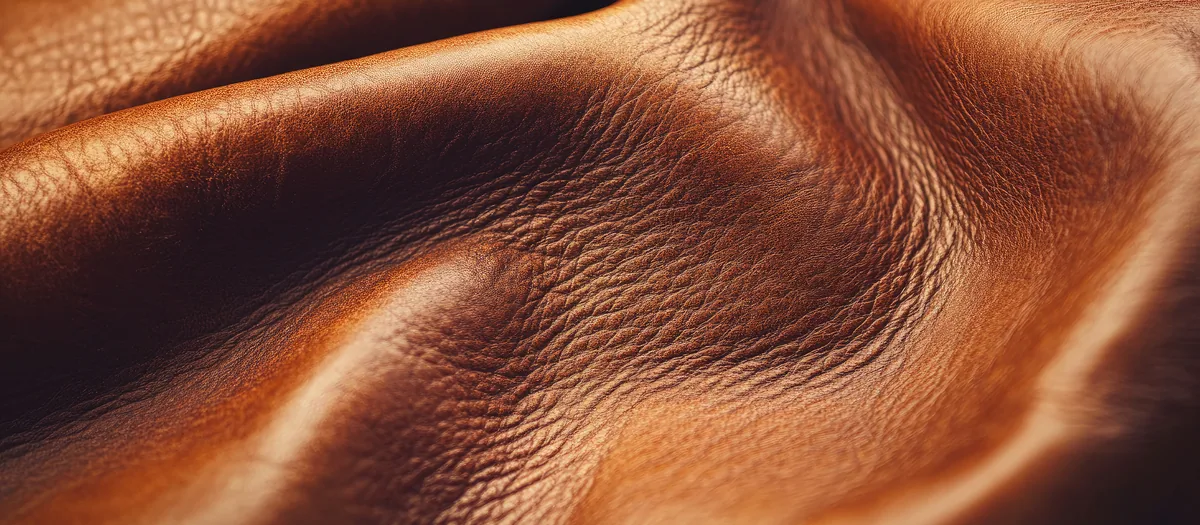
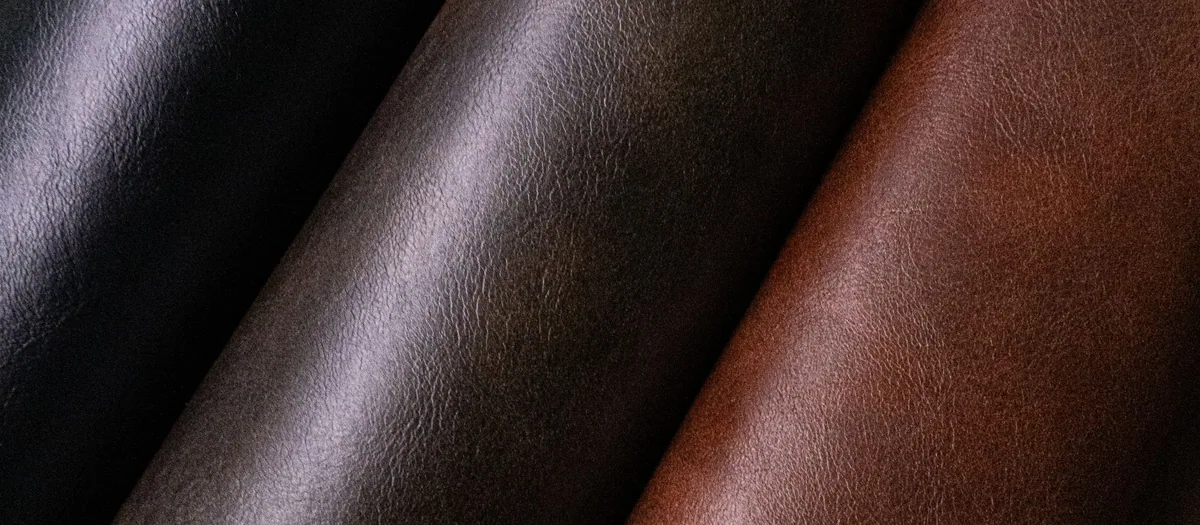
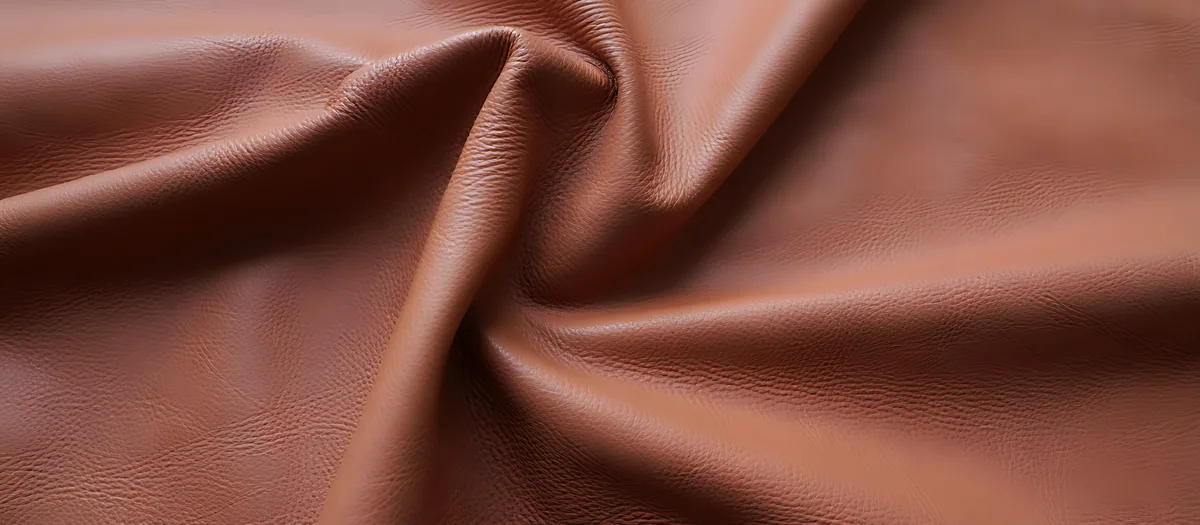
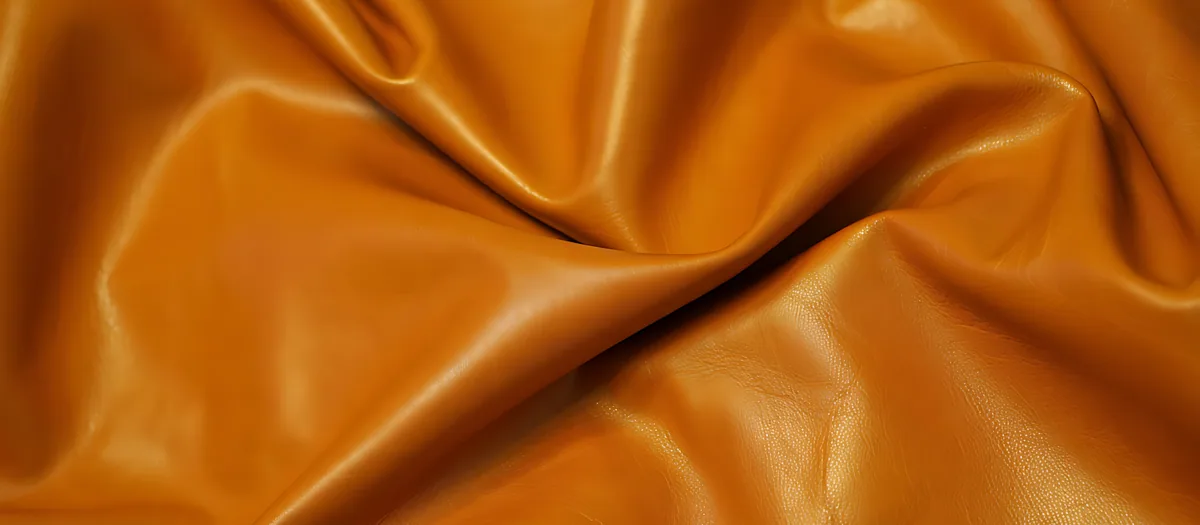
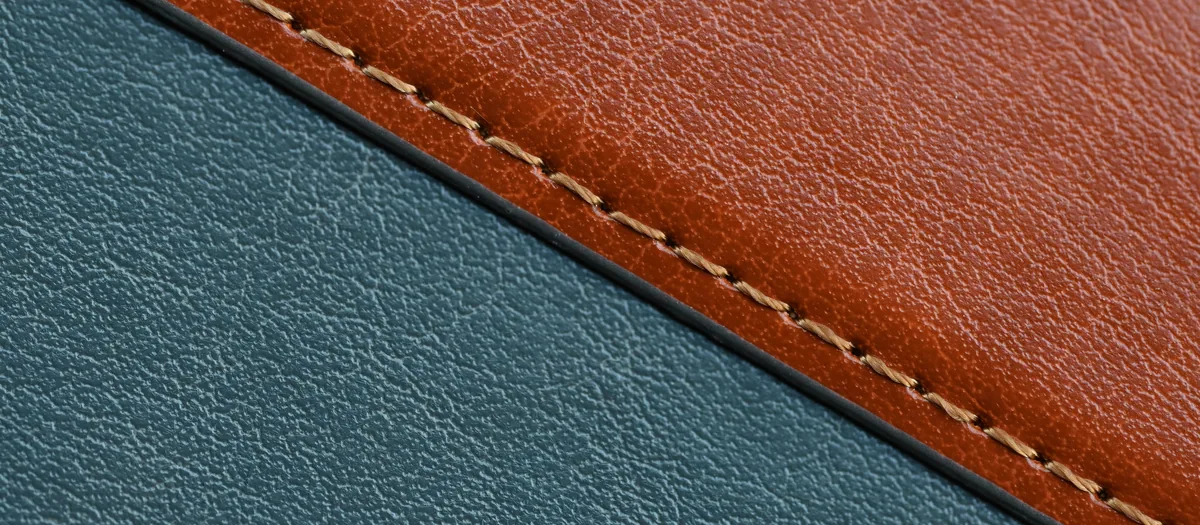
Grade AFull Grain Cowhide
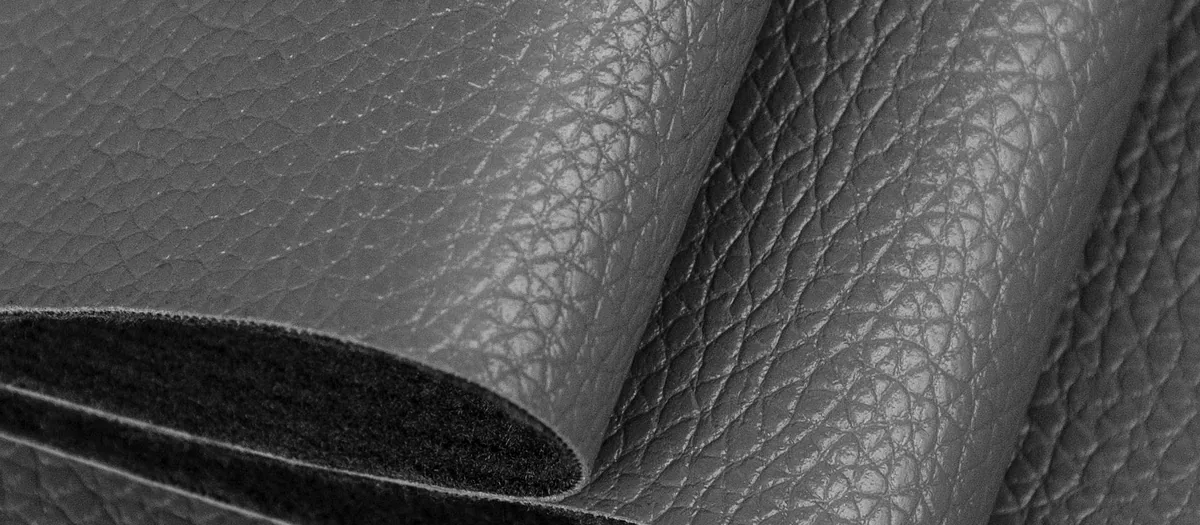
The uppermost hide layer with its grain intact — the strongest, most durable leather we work with. It resists abrasion, breaks in to the hand, and develops a patina rather than cracking.
From professional-grade leather to advanced impact-absorbing foams, Rainwolf Sports offers a wide range of materials to meet the needs of brands, distributors, gyms, and athletes worldwide.
Natural hide remains the benchmark for professional equipment. Each leather below is graded, tanned and inspected before a single panel is cut.
Grade AThe uppermost hide layer with its grain intact — the strongest, most durable leather we work with. It resists abrasion, breaks in to the hand, and develops a patina rather than cracking.
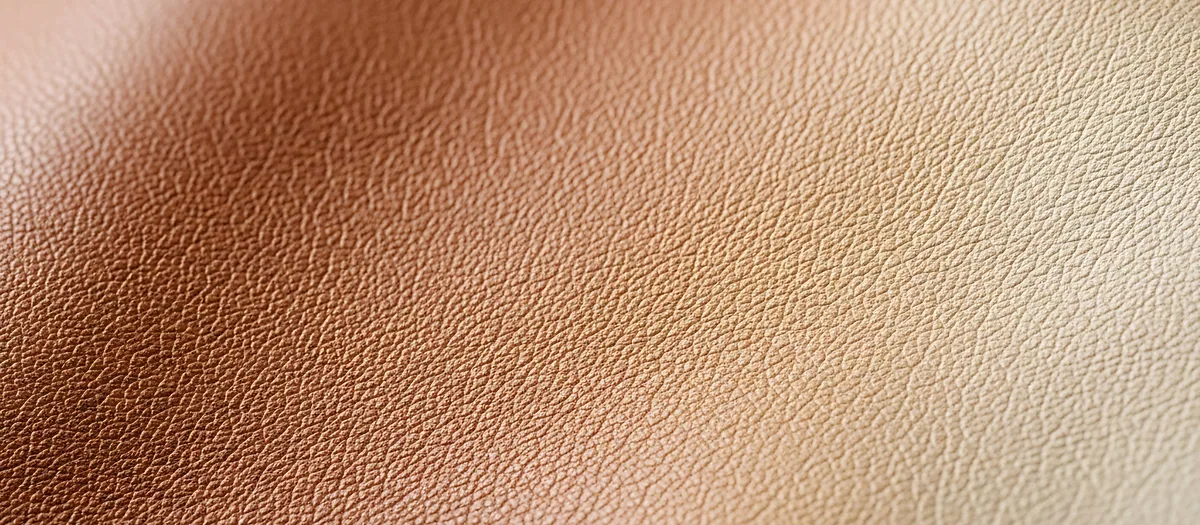
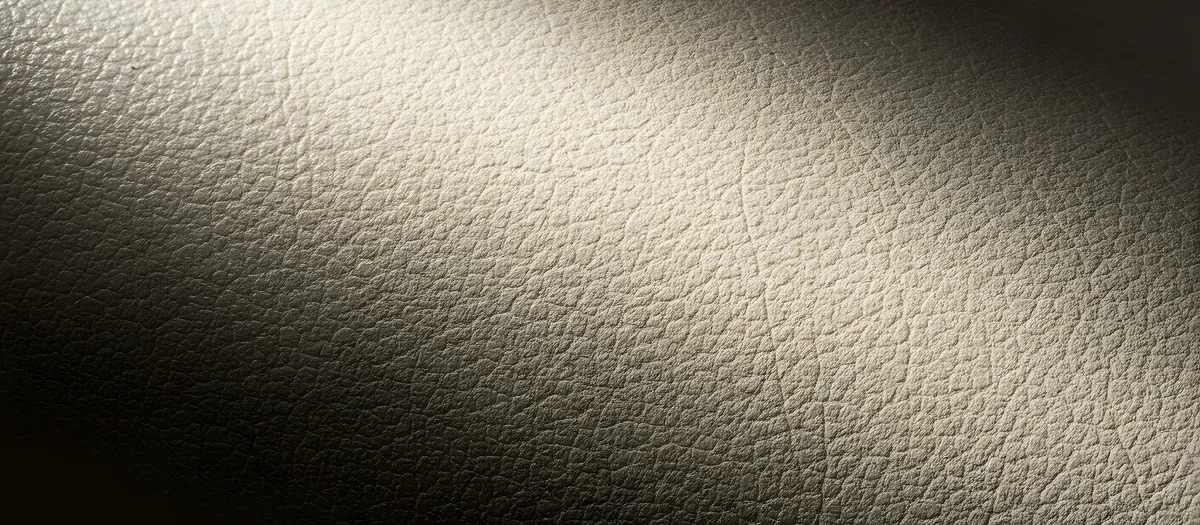
Grade ASanded and finished for a uniform surface. Slightly more pliable than full grain and more consistent in appearance across a production run — the pragmatic choice for large branded orders.
Grade AA coarser, more pronounced grain with exceptional tear strength. Heavier than cowhide, and prized where ruggedness matters more than refinement.
Grade ALight, supple and naturally water-resistant, with a fine pebbled grain. Its softness makes it the traditional choice where feel and dexterity outrank bulk strength.
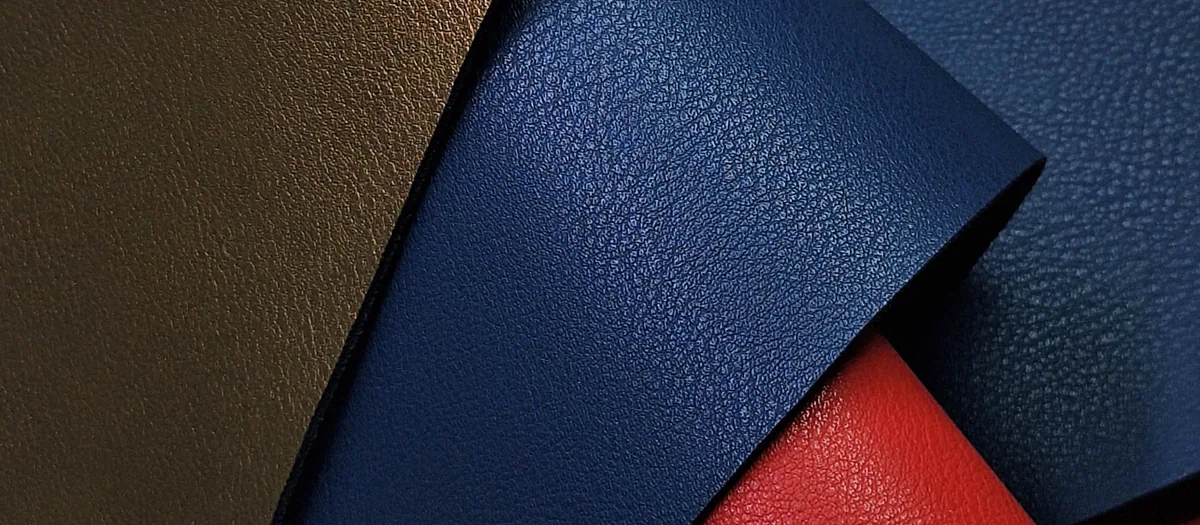
Modern engineered leathers now match or beat hide on weight, sweat stability and colour retention — at every price point from flagship to volume.
Engineered microfiber built to mimic full-grain leather. Lighter than hide, dimensionally stable, and it will not stiffen or crack with sweat exposure — the modern standard for premium synthetic lines.
The highest microfiber grade we source. Denser fibre structure and a closer hand-feel to full grain, with superior colour retention on saturated and metallic finishes.
A reinforced engineered leather with a treated surface that resists scuffing and cracking. Tougher than standard PU, at a materially lower cost than hide.
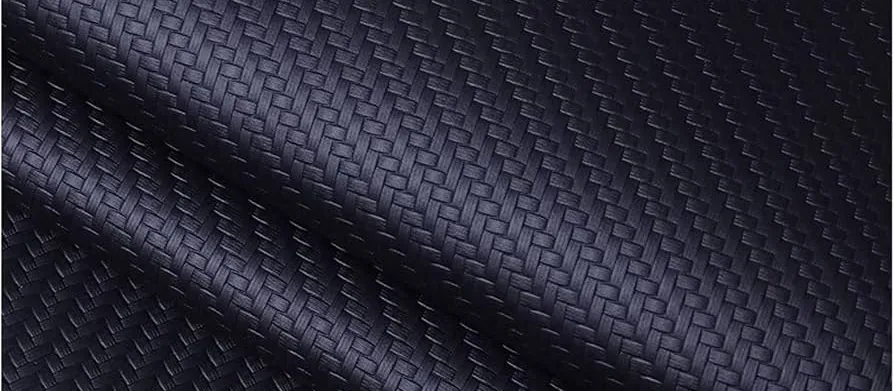
A carbon-textured polyurethane with a matte technical finish. Chosen as much for its modern, aggressive appearance as for its light weight and easy cleaning.
A reliable, cost-efficient polyurethane. It holds print and colour exceptionally well, which makes it the workhorse of high-volume programmes and gym fleets.
The padding system determines how a product feels and how safe it is. Absorption figures below are indicative comparisons between systems, not certified test results.
Closed-cell ethylene-vinyl acetate. Light, cheap to form, and it holds its shape through hundreds of impacts without compressing flat.
A denser, slower-rebounding foam that settles quickly after impact. It gives clean feedback on the bag without transmitting shock into the knuckle.
Two to four foam densities stacked so each layer absorbs a different part of the impact curve — soft at the surface, firm at the core.
Naturally elastic with a fast, lively rebound. Softer on contact than EVA and noticeably more comfortable across long sessions.
Foam injected into a mould as a single continuous piece. There are no glued layers to separate, so the padding profile stays identical from the first round to the thousandth.
A viscoelastic gel layer that spreads peak impact force across a wider area instead of concentrating it. Typically set over a foam core rather than used alone.
The traditional competition filling. It compresses hard and returns little, delivering the authentic punishing feel of classic fight-night gloves. Deliberately less protective.
A horsehair core over a foam base. Keeps the dense, traditional strike character while restoring enough protection for regular training use.
The lining is what the athlete actually touches. It governs breathability, how fast the product dries, and whether it still smells acceptable after a season.
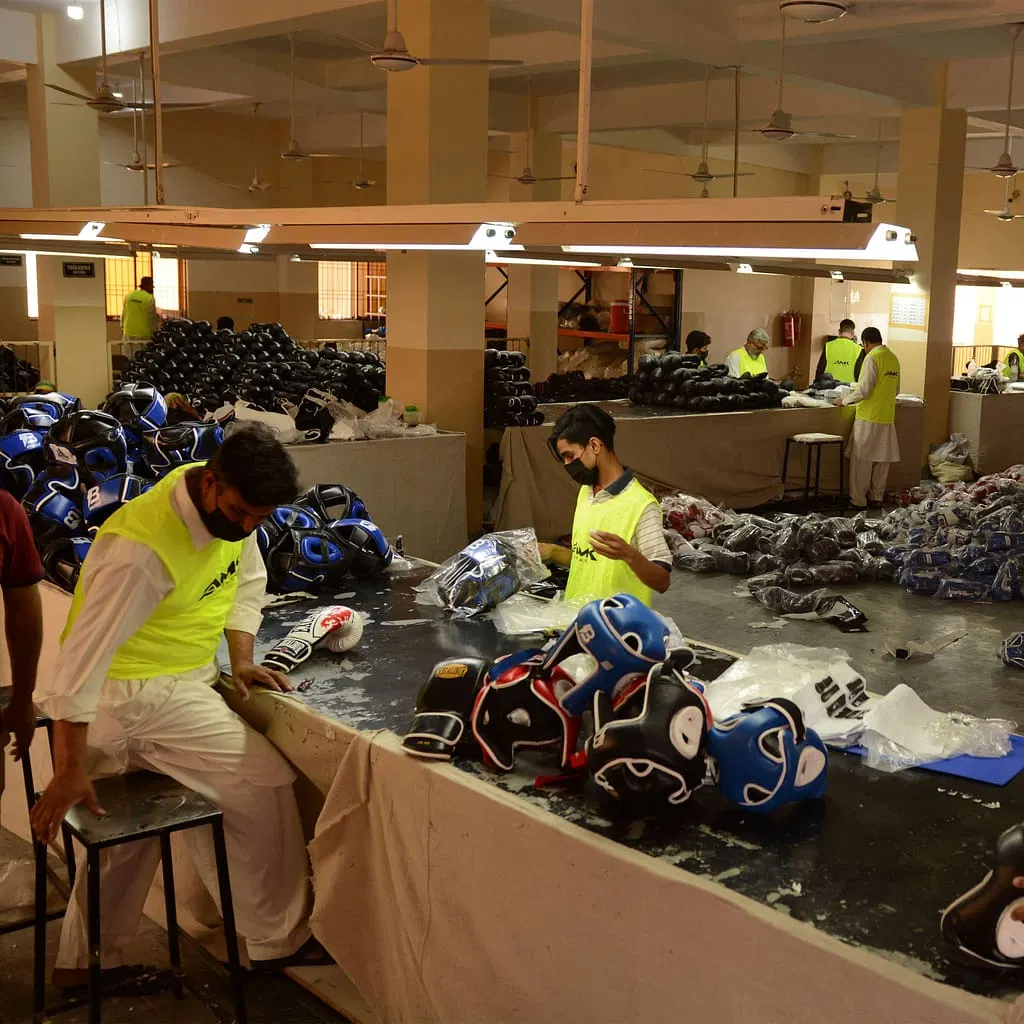
Apparel materials for rash guards, fight shorts and training wear — all fully sublimatable, all cut and sewn in-house.
Wraps, belts, straps and guards — the long tail of a complete catalogue, built to the same standard as the headline gear.
A side-by-side comparison of the shell materials, so you can weigh durability, feel, weight and cost against your target market.
| Material | Durability | Premium feel | Weight | Recommended use |
|---|---|---|---|---|
| Full Grain Cowhide | Heavy | Competition gloves, flagship lines where longevity justifies the cost | ||
| Top Grain Cowhide | Heavy | Training and sparring gloves, consistent large branded runs | ||
| Buffalo Leather | Heaviest | Bags, shields and thai pads that take daily punishment | ||
| Goat Leather | Light | Lace-up competition gloves where feel outranks bulk | ||
| Japanese Microfiber | Light | Flagship synthetic lines and premium retail programmes | ||
| Premium Microfiber | Light | The strongest all-round choice for most OEM glove programmes | ||
| Maya Hide | Medium | Training gear needing toughness at a sensible cost | ||
| Carbon PU | Very light | MMA gear and fight-team kit with a modern technical look | ||
| PU Leather | Very light | Entry price points, gym fleets, youth and volume programmes |
Ratings are Rainwolf’s comparative guidance, not certified laboratory grades. Physical swatches are sent free on request.
Our team can recommend the ideal material combination based on your product category, target market, performance requirements, and budget. Physical swatches are sent free before you commit to a sample.